Norbiton estate garden waste removal Kingston expert tips
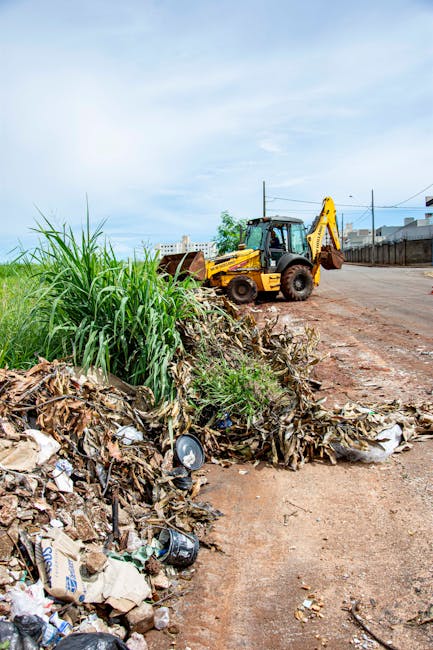
If you live on a Norbiton estate, garden waste can build up fast. One weekend of hedge trimming, a few bags of leaves, and a general tidy-up can leave you with more green waste than you expected. Norbiton estate garden waste removal Kingston expert tips are useful because they help you clear bulky organic waste safely, avoid common disposal mistakes, and keep paths, communal spaces, and driveways usable without turning a simple job into a messy one.
In practice, the best approach is rarely just "throw it all in a pile and hope for the best". A bit of sorting, the right timing, and a sensible method for collection or disposal can save you time and a fair amount of effort. Below, you'll find a practical guide that covers how it works, who it suits, what to avoid, and how to handle garden waste in a way that feels efficient rather than stressful.
Why Norbiton estate garden waste removal Kingston expert tips Matters
Garden waste is easy to underestimate. A few branches here, a bag of grass cuttings there, and suddenly your outdoor space feels cluttered, damp, and awkward to use. On estates in Norbiton, that matters even more because access can be shared, parking can be tight, and neighbours will notice if waste is left in the wrong place. Nobody enjoys stepping around soggy clippings at 7am. Let's face it, it's not the nicest start to the day.
Good garden waste removal is about more than tidiness. It helps reduce slip hazards, keeps pests away, and stops organic material from blocking shared paths or drains. It can also make future garden maintenance easier because you are not working around old piles of prunings, soil, and broken planters. That little bit of order goes a long way.
There is also an environmental angle. Green waste can often be handled separately from general rubbish, which makes sorting and recycling easier. If you are arranging a larger clearance, it can be worth looking at a broader garden clearance service or, for mixed rubbish from other parts of the home, a wider waste removal option. The right choice depends on volume, waste type, and how quickly you need it gone.
Expert summary: the smartest garden waste clearances are usually the ones that start with sorting, then scale up only when needed. If you separate green waste from rubble, timber, and household items early on, everything else becomes simpler.
How Norbiton estate garden waste removal Kingston expert tips Works
Garden waste removal sounds simple, but there is a process behind doing it well. First, identify what you actually have. Green waste usually includes grass cuttings, leaves, twigs, hedge clippings, small branches, weeds, and dead plants. Bigger jobs may also produce soil, turf, plant pots, fencing offcuts, or broken garden furniture. Not all of that belongs in the same pile.
Next comes separation. This is where a lot of people save time without realising it. Keep pure green waste apart from anything that is treated, painted, contaminated, or mixed with general rubbish. If you lump everything together, the load becomes harder to sort and may no longer be suitable for the most efficient disposal route. That is where a careful approach really pays off.
Then decide how the waste will be moved. For smaller amounts, bagging and staged collection may be enough. For larger clearances, loading waste into a vehicle or arranging a professional collection is usually more practical. If the garden job is part of a bigger property clean-up, you might also find services such as home clearance, house clearance, or even garage clearance helpful when old items and outdoor waste are tangled together.
The final step is disposal or recycling. Good operators aim to reuse or recycle as much as possible, rather than sending everything to landfill. If sustainability matters to you, it should, there is value in choosing a provider that talks plainly about sorting and diversion, not just speed. You can also review a company's recycling and sustainability approach before booking.
Key Benefits and Practical Advantages
The biggest benefit is obvious: you get your space back. But there are a few other advantages that people often notice once the job is done.
- Safer walkways: loose branches, thorny cuttings, and damp bags can create awkward trip points.
- Better appearance: a clear garden instantly looks cared for, even before you do the next round of planting.
- Less strain: carrying heavy sacks or awkward bundles of hedge clippings is harder than it looks, especially down stairs or across communal areas.
- Improved access: once waste is gone, it is easier to mow, edge borders, and water beds properly.
- Cleaner sorting: separating green waste from mixed rubbish can make disposal simpler and more responsible.
There is also a practical time saving. If you are juggling work, school runs, or just a packed weekend, spending three hours repeatedly moving bags is not exactly fun. A streamlined clearance lets you focus on the parts of the garden you actually want to improve. You know, the bits that make the place feel like home.
For many residents, the hidden benefit is peace of mind. You stop wondering whether the waste is stacked too high, blocking access, or attracting complaints. That alone can make the whole process feel lighter.
Who This Is For and When It Makes Sense
This kind of garden waste removal makes sense for a wide mix of people. Some have a compact patio garden that suddenly needs a seasonal tidy. Others manage larger shared outdoor areas and need to keep them presentable. A few are doing a full reset after overgrown hedges, storm debris, or a long patch where maintenance slipped. It happens.
It is especially relevant if you are:
- clearing up after hedge cutting, pruning, or lawn renovation;
- preparing a property for sale or letting;
- handling the outdoors after a tenancy change;
- sorting a garden that has been neglected for months;
- dealing with mixed waste where green material is only part of the load;
- needing access kept clear on a Norbiton estate with shared paths or limited parking.
Sometimes the job is not only outdoor waste. A garage packed with broken pots, old garden tools, and leftover bags can spill into the whole process. That is when a broader flat clearance, furniture clearance, or even loft clearance can become part of the same plan. It sounds like a lot, but often it is just one sensible job that has grown legs.
Step-by-Step Guidance
Here is a straightforward way to handle garden waste without making it harder than it needs to be.
- Walk the site first. Check what needs removing, where access is best, and whether anything is too large or awkward to move safely.
- Sort waste into clear groups. Keep green waste separate from soil, rubble, timber, plastic pots, and general household junk.
- Break down bulky items. Cut branches into manageable lengths and flatten light items where practical.
- Bag or stack sensibly. Use sacks for loose material and keep heavier items in stable, easy-to-lift bundles.
- Protect access routes. Make sure nothing blocks stairwells, entrances, or shared estate walkways.
- Load in a logical order. Put heavier, denser waste in first and lighter material on top if you are arranging collection.
- Leave a final sweep. Check for nails, broken pots, thorny stems, and stray offcuts that can get missed in the rush.
One small but useful habit: keep a "miscellaneous" corner until the end, but only for genuinely uncertain items. That way you do not end up mixing everything from the start. A bit of discipline at the beginning saves a lot of annoyance later.
Expert Tips for Better Results
Expert tips are mostly about reducing friction. Not glamorous, but effective.
1. Sort before you move
Do not wait until bags are already at the front gate before deciding what is in them. Sort on the spot. Green waste, woody material, soil, and general rubbish all behave differently once they are packed. A clean load is easier to lift, easier to assess, and less likely to cause issues on collection.
2. Trim volume before you bag
Long stems, awkward branches, and bulky shrubs take up more room than they should. Cutting them down first usually reduces the number of bags and saves space. It also makes the pile look less intimidating. That matters more than people admit.
3. Keep wet waste separate if possible
Wet grass and sodden leaves are heavy. Much heavier than they look. If you mix damp material into every bag, the load becomes harder to carry and more likely to leak. On a drizzly Kingston morning, that is not ideal.
4. Think about access before collection day
On estate roads, access can be the real bottleneck. If a vehicle needs to stop briefly, make sure there is enough room to manoeuvre without blocking neighbours or shared entrances. A few minutes of planning avoids a lot of apologetic head-scratching.
5. Match the method to the job
Some jobs are better suited to bagging and hand loading. Others need a more efficient collection approach. If you are also dealing with renovation debris or hard materials from paths and edging, a builders waste clearance may be more suitable than a garden-only solution.
6. Ask about sorting and recycling
If the waste is mixed, ask how different materials will be handled. A provider with a sensible recycling process is usually more careful overall. That is a good sign, honestly.
Common Mistakes to Avoid
Most garden waste problems come from rushing. Here are the mistakes we see most often, and they are all avoidable.
- Mixing everything together: green waste, soil, and household rubbish should not all be thrown into one mound if you want a smooth removal.
- Overfilling bags: the bag may survive, your back might not. Keep loads manageable.
- Leaving waste in shared areas: estate paths, entrances, and communal spaces need to stay clear.
- Ignoring sharp or awkward material: broken terracotta, old wire, and jagged branches can cause cuts and snags.
- Forgetting about damp weight: wet clippings are much heavier than dry ones, so plan accordingly.
- Assuming all organic waste is the same: some items are garden waste, others are not. Soil and turf, for example, can change how a load is treated.
Another small but common slip-up: people often tidy the visible bits and leave the edges, under hedges, and behind sheds. Then the garden still feels messy. A final sweep really does matter. A lot, actually.
Tools, Resources and Recommendations
You do not need a shed full of specialist kit, but the right basics make the job calmer and safer.
- Heavy-duty garden sacks: useful for leaves, weeds, and smaller cuttings.
- Secateurs and loppers: ideal for reducing branch size before collection.
- Tarpaulin or sheet: handy for gathering waste into one area without spreading debris across paving.
- Gloves with grip: useful if you are handling thorny stems, rough timber, or damp waste.
- Wheelbarrow or sturdy tub: helpful for moving loads in stages, especially over uneven ground.
- Broom and hand rake: for the final tidy-up after larger items are removed.
If you are unsure how much space a mixed load will take, it can help to think in terms of the waste itself rather than the number of bags. A compact pile of branches can fill a surprising amount of room once lifted, while loose leaves compress quickly. Not all volume is equal. Garden jobs love a bit of chaos like that.
For wider household clearances, it can be useful to compare related services such as house clearance and office clearance if your project has moved beyond the garden. And if the job includes bulky outdoor seating or worn items stored outside, mattress and sofa disposal may also be relevant in mixed clearances.
Law, Compliance, Standards, or Best Practice
Garden waste removal is not usually complicated, but it should still be handled responsibly. In the UK, waste needs to be managed by someone who understands what the material is and where it should go. That is especially true if the load contains anything beyond pure green waste. Best practice is to separate materials carefully, avoid fly-tipping, and use a proper disposal route rather than leaving waste in common areas or next to communal bins.
If a provider is handling the removal, it is sensible to check their approach to safety, insurance, and responsible disposal. On a practical level, that means they should be clear about how waste is moved, how access is protected, and what happens if the load contains mixed materials. You can also look at a company's insurance and safety information and its health and safety policy if you want extra reassurance before booking.
Where hazardous or suspicious items are found, do not just fold them into a normal garden pile. Things like chemical containers, treated timber, or unknown substances need more care. If there is any doubt, treat them separately and ask for guidance. That is the sensible move. No drama, just caution.
If your garden project involves old appliances stored outdoors, such as a broken freezer or fridge, that is a different category entirely. A dedicated fridge and appliance removal service is more appropriate than trying to squeeze it into a garden load.
Options, Methods, or Comparison Table
Different garden waste jobs suit different methods. Here is a simple comparison to help you decide.
| Method | Best for | Strengths | Limitations |
|---|---|---|---|
| Self-bagging and local disposal | Small, manageable garden tidy-ups | Low cost, flexible timing, simple for light waste | Can be slow, physically demanding, and awkward for bulky material |
| Pre-sorted collection | Medium jobs with mostly green waste | Efficient, easier to load, better for mixed but organised waste | Needs decent sorting and planning upfront |
| Professional garden clearance | Large, heavy, or time-sensitive jobs | Fast, less physical effort, useful for awkward access | Usually the most expensive option, though often the least stressful |
| Combined property clearance | Jobs involving garden waste plus indoor or garage items | One coordinated clearance, fewer moving parts | Requires broader sorting and a clear plan |
If you are doing a full declutter, the combined approach can be the smartest. For example, a garden tidy plus garage clear-out is often easier handled together than as two separate jobs. If that sounds familiar, garage clearance is worth considering alongside the outdoor work.
Case Study or Real-World Example
Picture a typical Saturday in Norbiton. The hedge has been trimmed, the lawn edged, and the border finally cleared after months of "I'll deal with that later". By early afternoon, there is a mound of clippings, a few old pots with cracked rims, and some broken canes that have seen better days. Nothing dramatic, but enough to make the garden feel unfinished.
The first instinct is usually to start carrying bags straight away. Fair enough. But the better move is to sort the waste into three groups: green cuttings, woody offcuts, and mixed bits like old plastic ties or damaged planters. The green waste compresses well, the woody material is bundled separately, and the mixed bits are kept out of the clean load. That small change means the clearance is tidier, the load is easier to assess, and the final sweep is much faster.
In a real-world setting like this, a clear-out can also expose other items that have quietly been hanging around. A rusty bike pump, a broken chair, maybe an old cushion that got left outside after a barbecue three summers ago. That is where a wider furniture disposal or furniture clearance route can help keep everything moving in one go.
The result is usually a garden that looks twice as big without any actual extension work. Simple, but satisfying. One of those jobs where you stand back at 5pm and think, yes, that was worth it.
Practical Checklist
Use this checklist before arranging garden waste removal or starting the clearance yourself.
- Separate green waste from rubble, timber, plastics, and household rubbish.
- Cut oversized branches down to manageable lengths.
- Keep paths, entrances, and communal areas clear.
- Bag or bundle waste so it can be lifted safely.
- Check for sharp, wet, or heavy items before loading.
- Decide whether the job is a small tidy-up or a full clearance.
- Consider whether related items from the home, garage, or loft should be removed at the same time.
- Review safety, insurance, and recycling information if booking a professional collection.
- Do a final sweep for nails, broken pots, and loose debris.
- Make sure the waste ends up in the right place, not left sitting out front for days.
If you are comparing providers or trying to understand what a collection should cover, the pricing and quotes page can be a useful starting point. And if you prefer to book directly, the online booking option is there as well.
Get a free quote today and see how much you can save.
Conclusion
Norbiton estate garden waste removal Kingston expert tips are really about making a normal chore feel manageable. Sort early, keep access clear, match the method to the waste, and do not let mixed rubbish sneak into the wrong pile. Those little decisions reduce stress more than people expect.
Whether you are dealing with a small seasonal tidy, a bigger overgrown patch, or a mixed clearance that includes other items from the property, the aim is the same: a cleaner space, less hassle, and a better result at the end of the day. Truth be told, a well-cleared garden can change how a whole home feels. Quietly, but properly.
For readers who want to understand the company behind the service, the about us page is a sensible next stop, and if you need direct help, the contact page is available too. Sometimes the easiest next step is just getting the ball rolling.
Frequently Asked Questions
What counts as garden waste on a Norbiton estate?
Garden waste usually includes grass cuttings, leaves, hedge trimmings, weeds, small branches, dead plants, and similar organic material. Soil, rubble, treated timber, and mixed household rubbish may need to be handled separately.
Can I mix garden waste with old furniture or broken items?
You can, but it is usually better not to. Mixed loads are harder to sort and may need a more general clearance approach. If you have old outdoor chairs or storage pieces, a separate furniture-related service can be more practical.
What is the easiest way to prepare garden waste for collection?
Sort the waste into clear categories, cut larger pieces down, and use strong sacks or stable bundles. Keeping access routes clear is just as important as the sorting itself.
Is it cheaper to clear garden waste myself?
Sometimes, yes, especially for very small amounts. But once the job becomes heavy, awkward, or time-consuming, a professional collection can save effort and reduce the risk of injury or multiple trips.
What if my garden waste is wet and heavy?
Wet clippings and leaves weigh more than they look. It helps to keep loads manageable and avoid overfilling sacks. If the material is very saturated, expect the job to take a little longer.
Do I need a special service for soil or turf?
Often, yes or at least a different handling method. Soil and turf are denser than typical green waste, so they can change the size and weight of the load significantly.
How do I keep shared estate areas tidy during removal?
Stack waste neatly, avoid blocking walkways, and keep the route from the garden to the pickup point as short as possible. A quick final sweep helps stop stray cuttings being spread around.
What should I check before booking a collection?
Check what waste is accepted, whether mixed loads are allowed, how access will work, and whether the provider explains recycling and safety clearly. Those details matter more than people realise.
Can garden waste removal be combined with other clearance jobs?
Yes. If you are also clearing a garage, loft, or part of the house, combining the jobs can be more efficient. It often reduces disruption too, which is no bad thing.
What is the best time to remove garden waste?
Choose a time when access is easiest and the waste is dry if possible. A dry morning after trimming is often better than trying to shift everything after a wet afternoon, when it has all gone a bit soggy.
How do I know if my waste needs extra care?
If it includes treated materials, chemical containers, sharp metal, or anything you do not recognise, treat it cautiously and separate it. When in doubt, do not mix it into standard garden waste.
Where can I find more information about recycling and disposal standards?
You can review the site's recycling and sustainability information, and if you want a broader overview of what belongs in a mixed load, the what can go in a skip guide may also help with general sorting decisions.