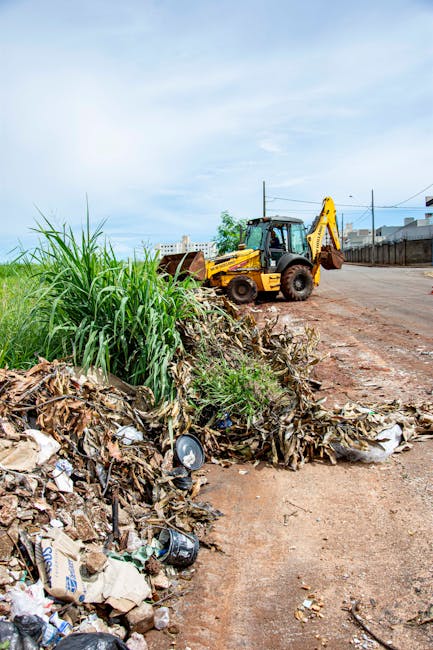
Commercial Waste in Kingston upon Thames
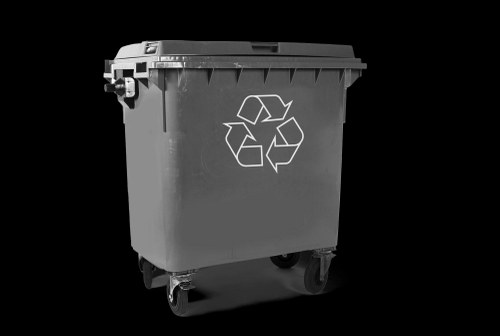
Commercial waste in Kingston upon Thames needs a practical, dependable service that keeps everyday business waste moving without unnecessary disruption. Our work focuses on collecting and removing mixed commercial waste, separating suitable materials where possible, and helping organisations keep their premises clear and workable. From routine rubbish build-up to heavier, awkward or bulky items, the aim is to provide a straightforward service that supports busy sites, offices, shops and other commercial premises.
We handle waste removal with an emphasis on sensible sorting and safe handling. That can include general office rubbish, packaging, worn furnishings, stockroom clear-outs and items that are no longer wanted after refits or reorganisations. Where materials can be prepared for recycling or responsible disposal, they are handled accordingly. If you need to arrange a commercial waste clearance, start by reviewing the service pages that best match the type of waste you have and the setting it comes from.
For many customers, the important question is not only what can be removed, but how the work will fit around the property and its access. Commercial waste services are most useful when the collection plan matches the site layout, item type and volume of waste. A simple enquiry with a description of the items, their location and any access restrictions helps the team decide what is involved. If you are comparing options, the pricing and quotes information is a sensible place to begin.
Business Waste Removal for Ongoing and One-Off Collections
Business waste removal is often needed for more than a single clear-out. Offices, retail units, hospitality venues and other workplaces can generate varied rubbish streams that need removing in a tidy, organised way. That may involve paper waste, broken fittings, packaging, unwanted stock, redundant equipment or general mixed rubbish collected after routine operations. The service is designed to support both occasional jobs and repeat disposal needs, with the work shaped around what is actually present on site rather than a one-size-fits-all approach.
Our business waste removal page is useful if you want a clearer view of the core service and the kind of material it covers. For premises with regular waste from day-to-day activity, removing clutter before it accumulates can make it easier to keep storage areas usable and workspaces orderly. When planning a visit, it helps to identify whether the load is mainly light mixed rubbish, bulky items, or a combination of the two. Clear information about the waste type makes it easier to assess the task accurately and avoid delays.
What commercial customers commonly ask us to remove
Typical jobs can include bagged rubbish, cartons, shelving, unwanted display pieces, filing material and broken fixtures that are no longer needed. Some sites also need help after a move, stock rotation or internal reorganisation, when several categories of waste appear together. A practical collection plan reduces handling time and helps the work proceed in an orderly way. If your business is preparing for a refit, vacating a unit or just reducing unwanted build-up, use the main service pages to match the waste to the right type of removal.
Office Waste and Shredding Support

Office waste can include a broad mix of items, from archive paper and packaging to redundant furniture, desktop equipment and general rubbish from everyday use. The service is useful when work areas, meeting rooms, storage cupboards or back offices begin to fill with material that needs to be taken away carefully. Where items are suitable for separate handling, they can be dealt with in a more organised manner than simple mixed disposal. That makes the service useful for both tidy-up jobs and more involved office clearances.
For organisations that need confidential disposal as part of a wider clearance, the confidential shredding page may be relevant. It is important to keep document handling separate from general waste whenever sensitive paperwork is involved, because routine rubbish removal is not the same as secure destruction. Commercial premises often benefit from a planned approach that identifies what should be shredded, what can be recycled and what should be removed as general waste. If you have several material types, note them together when you ask for a quotation.
Office jobs are often easier when the main categories are set out in advance. A short list like the one below can help frame the enquiry without overcomplicating it:
- paper records and archive material
- desks, chairs and office storage furniture
- boxes, packaging and display items
- small electrical items and mixed rubbish
Furniture Clearance and Disposal
Furniture clearance is an important part of commercial waste work because many business sites need bulky items removed when layouts change. Office desks, chairs, cabinets, reception furniture and storage units can quickly become obstacles if they are left unused in corridors, storerooms or work areas. A careful removal service helps prevent clutter from spreading through a property and allows larger items to be taken away in a way that is manageable for the site. The emphasis is on practical removal rather than disruption.
The furniture disposal pages are helpful when you need to understand how individual items or mixed furniture loads may be handled. Some pieces are straightforward to move, while others are heavy, awkward or require more planning because of stairs, narrow access or limited parking close to the building. For that reason, the best quotation details usually include the type of furniture, the approximate quantity and where the items are located. If there are dismantled units, damaged items or combined office and storage furniture, mention those as well.
Furniture-related clearances are often part of a wider project, such as a refurbishment, relocation or general rationalisation of unused stock and equipment. The important point is to match the service to the actual load: not every item requires the same handling, and not every site presents the same level of access. When you compare options, look for the pages that explain the scope of work most relevant to your premises, then request a quotation once the items are identified clearly.
Bulky Items, Appliances and Specialist Disposal
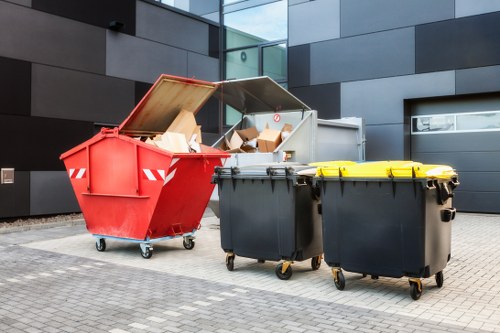
Some commercial waste loads are made up of a few bulky items rather than a large quantity of bags or boxes. That can include fridges, small catering appliances, worn seating, damaged mattresses in accommodation settings or mixed items that are too awkward for ordinary waste handling. The work here is less about volume and more about shape, weight and how safely the items can be moved from the site. The appropriate service depends on whether the items are standard bulky waste, furniture, or electrical goods needing specific treatment.
When appliances are involved, the fridge and appliance removal page may be a better fit than a general clearance page. Items of this kind should be described accurately because they may need separate handling from ordinary commercial rubbish. Likewise, the mattress and sofa disposal page can be relevant for businesses that deal with furnished accommodation, waiting areas or relaxation spaces. Choosing the right page is useful because it keeps the quotation focused on the actual item type and avoids confusion over what is included.
Choosing the right disposal route for mixed bulky waste
If a collection includes a mixture of furniture, appliances and general rubbish, the safest way to arrange it is usually to list the items by category. That helps distinguish what can be taken as part of a broader clearance from what needs a more specific disposal approach. It also helps to note whether the load is ready at ground level or spread across several floors. The more plainly the waste is described, the easier it is to assess the likely scope of work and prepare a sensible quotation.
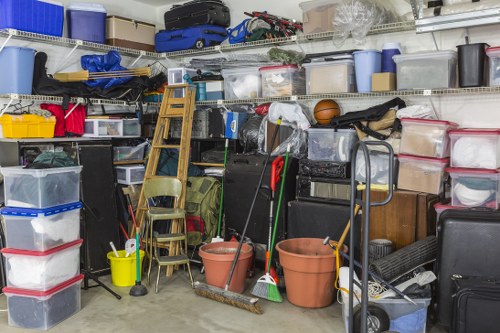
Garage, Loft and Home-Linked Commercial Clearances
Although the focus here is commercial waste, some business premises also include domestic-style spaces such as store cupboards, loft rooms, garage units or mixed-use properties with back-of-house storage. The garage clearance, loft clearance and home clearance pages can help if your waste sits in one of those spaces and does not fit neatly into a standard office or shop clear-out. This is especially useful where a business keeps archive items, seasonal stock, props or redundant fittings in a less formal storage area.
These jobs often involve a combination of broken items, packaging, old fixtures and objects that have been left in storage for a long time. A practical service will treat the work according to access, item type and volume, not simply according to the room name. If a clearance includes awkward stairs, loft hatches, narrow corridors or an outbuilding at the rear, that should be mentioned when asking for a quotation. For some premises, the distinction between business and domestic-style storage is less important than the actual conditions on site.
When in doubt, describe the room and the waste together rather than trying to fit everything into a single label. That approach gives a clearer picture of the job and helps identify whether furniture removal, general waste removal or a more specialised service page is the best match. If several spaces are involved, list them in the order they need attention so the work can be planned sensibly from the start.
Garden, Outdoor and Site Perimeter Waste
Commercial waste is not always confined to the inside of a building. Pubs, offices, managed properties and other premises may also generate waste from courtyards, access routes, outdoor seating areas, rear service spaces or planted sections that need attention. The garden clearance page is relevant where outdoor waste includes cuttings, pots, broken fittings, bagged debris or mixed items that have built up around a business site. This is particularly helpful when the outside area is used alongside the building and needs to be kept presentable.
The garden clearance and waste removal work can include natural material as well as man-made items, but it is still important to be specific. Branches, soil, planters, damaged outdoor furniture and old fixtures are not the same kind of load, and each can affect how the job is handled. If you are clearing a rear yard, service strip or small landscaped area, it helps to describe the ground conditions and whether the waste is loose, bagged or stacked. That gives a more accurate basis for the enquiry.
For some businesses, outdoor waste is part of a wider site tidy-up before reopening, handover or seasonal changes. In those situations, keep the description concise but complete, and mention any items that may need lifting from awkward positions. The most useful quotations usually come from straightforward information about what is there, where it is and how accessible it is. Use that approach whether the job is a small outdoor clear-out or a larger commercial removal.
Builders Waste and Refurbishment Debris

Refits, repairs and internal works often leave behind waste that is heavier and more irregular than day-to-day rubbish. The builders waste clearance page is a useful fit when a commercial site has debris from decorating, partition changes, strip-outs, minor works or maintenance jobs. Material may include timber offcuts, packaging, boards, broken fittings, old fixtures and mixed debris left after contractors have finished. The service helps clear the working area so the site can move on to the next stage.
Not all builders waste is identical, so it is worth separating what is dusty, what is bulky and what is simply mixed rubble or packaging. Some clearances involve a few large items, while others involve many smaller pieces spread across several rooms. A quotation is easier to prepare when the stage of work is clear, because work in progress may create a different kind of load from the finished strip-out. If there are fragile surfaces, restricted access or busy trading hours to work around, mention those in the enquiry.
For customers planning refurbishment waste removal, it can help to think in practical terms: what must be taken away now, what is likely to appear later, and whether any items need to be protected during lifting. That keeps the service focused on the real conditions on site rather than assumptions about the job. Clear, specific descriptions tend to produce clearer quotations.
Recycling, Sustainability and Responsible Disposal
Responsible disposal is an important part of commercial waste work because many loads contain more than one material type. Packaging, metals, furniture components, paper, plastics and mixed residual waste may all appear within the same clearance, and separating them where possible can support better recovery of suitable materials. The recycling and sustainability page explains this area in more detail and is useful for customers who want to understand how waste is managed once it is collected.
In practice, good waste handling depends on recognising what can reasonably be separated and what must remain mixed. Some items are straightforward, while others are made from several materials and are best treated together. The aim is not to promise perfect recovery from every job, but to deal with the waste carefully and sensibly. Where materials are not suitable for recycling, they still need to be removed and managed through the correct disposal route. That balance is part of a professional service rather than an extra option.
Customers often find it useful to state whether their waste includes a high proportion of recyclable material, such as cardboard, paper, metal shelving or certain rigid plastics. That kind of information can help shape the collection plan and keep the process efficient. The most practical commercial clearances are the ones that begin with an honest description of the waste rather than a broad guess about what might be involved.
Pricing Factors and How to Request a Quotation
Commercial waste pricing is usually shaped by the material type, the amount to be removed, the weight of the load, the level of access and whether special handling is needed. Furniture, appliances, confidential documents, outdoor waste and builders debris may each influence the scope in different ways. Because of that, a useful quotation depends on an accurate description rather than a single headline category. If you are comparing services, the pricing and quotes page is the best place to start.
When preparing an enquiry, keep it simple and practical. State the kind of site, the main item types and any access issues that may matter on the day. Two details are especially useful: the approximate quantity of waste, and whether it is already grouped together or spread across the premises. That information helps form a more reliable estimate and reduces the need for back-and-forth clarification. If there are time restrictions, loading concerns or multiple collection points, mention those as part of the same note.
If you are ready to proceed, send a quotation request with a clear description of the waste and the location within the property. You can also use the book online page if you prefer to move ahead with the arrangement. For a straightforward starting point, choose the service page that matches your waste most closely and then ask for a quote using the contact route provided there.
About Kingston upon Thames
Kingston upon Thames is a historic town on the River Thames in southwest London, long associated with royal ceremony, river trade and a compact town centre that still reflects layers of development from different periods. The town is known for its riverside setting, its busy civic core and its position within the Royal Borough of Kingston upon Thames. The market place has traditionally been one of the best-known features of the town, helping to anchor local activity close to the centre. Nearby, the riverfront forms an important part of the town’s character, with footpaths, bridges and waterside open space shaping how people move through the area. Kingston’s past is visible in the mix of older streets, civic buildings and more modern retail and transport development, which together give the town a varied urban texture. The area also includes cultural and leisure destinations, green spaces and routes that connect the centre with neighbouring districts. The town’s location on the Thames has helped it remain a focal point for movement, commerce and public life over a long period, while its changing architecture shows how the centre has adapted to different eras. As a place, Kingston upon Thames combines historic associations with an active contemporary town environment, making it one of the more recognisable centres in outer southwest London. Its riverside walks, shopping streets and civic landmarks create a setting that is both practical and distinctive, with the river continuing to act as a defining geographic feature.
House Clearance and Mixed Property Waste
Some commercial customers need help with waste that comes from properties with a domestic feel, such as managed accommodation, vacant units, inherited stockrooms or mixed-use premises. The house clearance page is useful where the job involves a broad mix of household-style items rather than a narrow commercial category. That may include furniture, boxed possessions, general clutter, soft furnishings and assorted waste collected during a larger property clearance.
The flat clearance page can also be relevant where the property is split across separate rooms or upper levels and contains a mixture of furniture and personal or household items. The advantage of using the right page is that it keeps the task focused on the kind of waste actually present. A clear description of the rooms involved, the number of floors and the general item types gives a much better basis for a quotation than a vague label alone. That is especially true when access is limited or when the clearance needs to be done in stages.
Where a property contains both residential-style contents and business-related material, the key is to describe the items honestly and then match them to the best service page. A tidy, well-described enquiry is easier to assess and usually easier to schedule. If the work is part of a move, refurbishment or handover, say so briefly and focus on the waste itself. Request a quotation once the main categories are clear.
Useful Service Pages for Different Waste Types
When commercial waste falls into a specific category, the most helpful route is usually the page that describes that category most directly. That applies to general waste removal, office waste, business waste removal, furniture disposal and specialist items such as appliances or confidential material. Choosing the closest match helps keep the quotation relevant and avoids confusion about what will actually be collected. It also helps if your premises generate more than one type of waste and you want to separate the information sensibly.
The main service pages are there to make comparison easier, not to complicate the process. If you are unsure which one is most suitable, think about what dominates the load: bulk furniture, mixed rubbish, office materials, site debris or outdoor waste. Once that is clear, the remaining details are usually straightforward. Keep the enquiry concise but complete, and use the page that best reflects the dominant waste type. From there, the collection can be planned in a way that suits the property and the task.
For the quickest next step, review the relevant service page, note the items you want removed and ask for a quotation when you are ready. The most useful enquiries are the ones that say what is there without over-explaining it. Start with the right service page and then use the enquiry route that fits your preferred way of making contact.