Recycling and Sustainability — Commercial Waste Kingston upon Thames
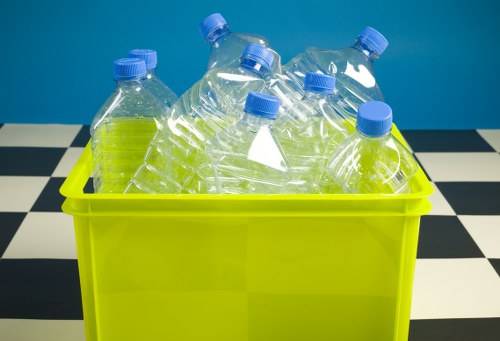 Commercial Waste Kingston upon Thames is committed to developing an eco-friendly waste disposal area across the borough that supports businesses, reduces landfill and builds a resilient circular economy. This page outlines our approach to creating sustainable rubbish zones for shops, offices and light industrial units, with practical steps, targets and local partnerships. We focus on reducing emissions from collections, improving segregation, and ensuring that commercial recycling in Kingston upon Thames is efficient and transparent.
Our programme sets a clear recycling percentage target: to reach 65% material recovery for commercial waste by 2030. Achieving this requires infrastructure changes, business engagement and investment in reuse networks. The sustainable rubbish area model promotes separate streams for paper and card, mixed recyclables, food organics and garden waste, and specialised streams for textiles and bulky items. Together, these measures help create a reliable, localised eco-friendly waste disposal area for high-footfall commercial districts.
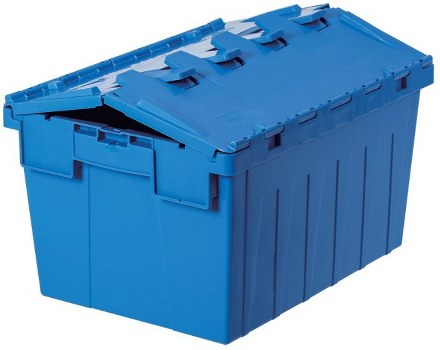 The borough’s approach to waste separation aligns with London best practice: businesses are encouraged to segregate food waste, glass, dry mixed recyclables, paper and cardboard, and metal packaging at source. Typical separation activities relevant to the area include:
- source-separated food waste collections for cafes and restaurants;
- dedicated cardboard and paper compaction for retail and offices;
- glass banks and separate glass collections for bars and hotels;
- textile and electronics reuse streams that divert reusable items from disposal.
Local transfer stations and materials recovery facilities (MRFs) are the backbone of our logistics network. Collections from commercial properties are consolidated at nearby transfer points before onward transport to MRFs and anaerobic digestion facilities. Working closely with transfer stations serving Kingston and neighbouring southwest London, we prioritise short haul movements to minimise vehicle miles and ease pressure on the wider road network.
 To reduce the carbon footprint of collections, the fleet mix now includes low-carbon vans and electric vehicles operating on urban routes. These vans, together with route optimisation and telematics, lower emissions and noise in town centres. The low-emission collection model complements the sustainable rubbish area approach by ensuring that the act of moving materials to the transfer station is as green as possible.
Partnerships with charities and social enterprises are essential to maximise reuse. We work with local charity partners, community reuse shops and national redistributors to ensure items with residual value are redirected away from disposal. Partnerships typically cover: furniture and appliance reuse, clothing and textile recovery, and donation channels for business surplus. These collaborations create social value while reducing the tonnage sent for recycling or disposal.
To support businesses, the sustainable rubbish area concept introduces consolidated collection points with clear signage, segregated bays and dedicated recycling containers.
Commercial recycling Kingston upon Thames
includes features such as secure textile banks, electronics takeback points and compactors for bulky cardboard, all designed to increase capture rates while keeping streets tidy and operationally efficient.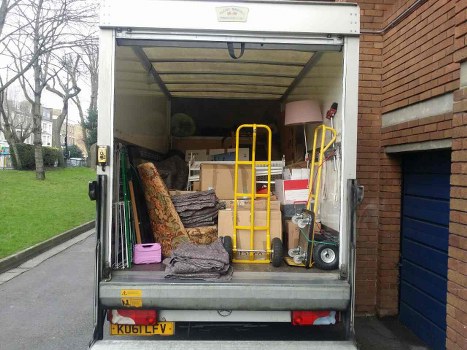 Beyond infrastructure, monitoring and reporting drive progress. We provide anonymised performance dashboards to participating businesses so they can track tonnes diverted and carbon saved. Measurement helps reach the 65% target by identifying priority sectors for targeted interventions, such as hospitality, retail and property management, which often generate the greatest volumes of recyclable material.
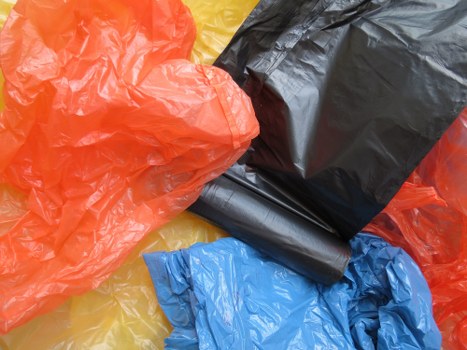
Making the sustainable rubbish area work
Businesses benefit from practical policies: segregation at source, scheduled collections with low-carbon vans, and referral pathways to charity partners for reuse. Elements of an effective scheme include:- Segregated collection streams for organics, glass, paper, metals and mixed recycling;
- designated commercial drop-off points that reduce contamination and improve material quality;
- engagement programmes that explain the boroughs approach to waste separation and the value of clean recycling streams;
- use of electric and hybrid vans on short urban trips to cut emissions and congestion.
Our vision for a greener borough depends on cooperative action: local authorities, waste operators, commercial tenants and charitable partners all play a role in making Kingston upon Thames a recognised sustainable rubbish area and exemplar for eco-friendly waste hubs. Through targeted investment in transfer stations, a growing network of reuse partnerships and a shift to low-carbon vans for collections, the borough can steadily increase its commercial recycling performance, reduce emissions, and support a thriving circular economy.
Summary of commitments: reach a 65% commercial recycling rate by 2030; expand local transfer station capacity; scale charity partnerships for reuse; and transition the fleet to low-carbon vans for cleaner, quieter collections. By adopting the sustainable rubbish area framework, Kingston upon Thames will deliver real environmental, social and economic benefits across the borough.
