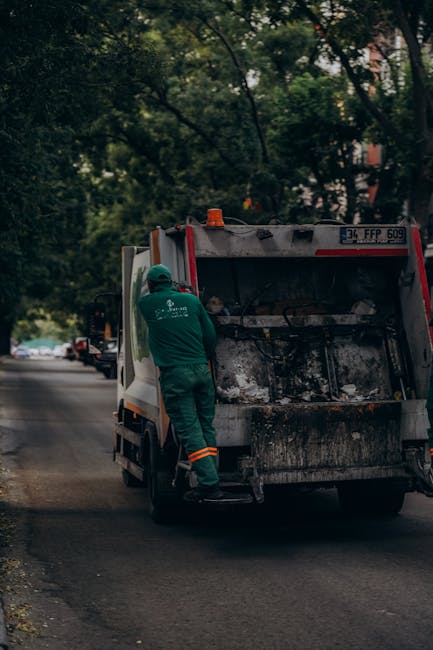
Surbiton Station flat clearance and rubbish collection tips
If you are dealing with a cramped flat, a tight staircase, and a growing pile of rubbish near Surbiton Station, you are not alone. Flat clearance sounds simple until you meet the real-world bits: no lift, awkward furniture, broken bags, and neighbours who would quite like the hallway back, thanks very much. This guide to Surbiton Station flat clearance and rubbish collection tips is here to make the process easier, calmer, and more efficient. Whether you are clearing after a move, preparing a rental property, or just trying to reclaim your living room, the right approach can save time, reduce stress, and help you avoid expensive mistakes.
Below, you will find practical advice on planning a flat clearance, handling bulky waste, sorting items for reuse or recycling, and choosing the most suitable collection method. There is a lot that can go right with a little prep. And honestly, that prep makes a bigger difference than most people expect.
Why Surbiton Station flat clearance and rubbish collection tips Matters
Clearing a flat near a busy station is rarely just about "getting rid of stuff". It is about timing, access, shared spaces, parking, noise, and not turning a quick job into a messy half-day that drifts into a full weekend. Around Surbiton Station, where footfall can be busy and property layouts vary from compact conversions to modern apartments, the difference between a smooth clearance and a stressful one is usually organisation.
A flat clearance is often needed at a moment when life already feels full. A tenancy is ending. A relative has moved. A room has to be emptied before decorators arrive. Or perhaps you are in that familiar in-between state where the sofa is staying but the rest has to go. Rubbish collection tips matter because the wrong approach can lead to blocked access, damaged walls, missed deadlines, or items being left behind because they were heavier than expected. Let's face it, stairs always look shorter before you start carrying a wardrobe down them.
There is also the environmental side. A good clearance plan helps separate reusable items, recyclable materials, and waste that needs specialist handling. If you want a more sustainable route, it is worth exploring the company's recycling and sustainability approach alongside the practical job itself.
Expert summary: The best flat clearance near Surbiton Station is usually the one that starts with sorting, clear access, and a realistic plan for bulky items. Do that, and everything else becomes easier.
How Surbiton Station flat clearance and rubbish collection tips Works
In practice, flat clearance is a sequence of small decisions. First, you decide what stays, what goes, and what might be donated, sold, recycled, or disposed of. Then you work out how the items will leave the property safely. That sounds obvious, but it is where many clearances become chaotic. A decent plan removes the guesswork.
For a typical flat clearance near Surbiton Station, the process often looks like this:
- Walk through the flat room by room. Identify furniture, bags, white goods, broken items, and loose waste.
- Separate categories early. Keep documents, valuables, charging cables, passports, medications, and keys in a safe place.
- Measure bulky items. That one matters more than people think, especially for sofas, beds, wardrobes, and fridge-freezers.
- Check access points. Stairs, door widths, lift availability, and parking all affect the collection method.
- Choose disposal routes. Some items are suitable for reuse or specialist disposal, while mixed rubbish may need general waste removal.
- Prepare the property. Move fragile items out of the path, protect floors if needed, and keep the route clear.
- Load and remove safely. Heavy lifting is where injury and damage happen, so it pays to take it seriously.
When items are too large, too many, or simply too awkward to shift through narrow halls, a dedicated clearance service can be a lot easier than attempting several car loads. You may also find that a broader flat clearance service is more suitable than handling it piecemeal, especially if you are clearing multiple rooms at once.
And yes, the "just pop it in the car" method sounds appealing right up until you realise the mattress won't fold, the boot won't close, and the seats now smell faintly of old laminate and dust. Not ideal.
Key Benefits and Practical Advantages
A smart clearance plan gives you more than a tidy room. It can protect your time, reduce physical strain, and make the whole property easier to hand over, clean, or stage for sale. In a station area where people often work to a schedule, the value of a tidy, well-timed collection is hard to overstate.
- Less disruption: A planned collection keeps hallways, landings, and communal entrances clear for neighbours.
- Faster turnaround: Once items are sorted, the actual removal is usually much simpler.
- Reduced stress: Knowing what is happening next makes the whole process feel more manageable.
- Better safety: Clear walkways and sensible lifting reduce the chance of accidents.
- Improved recycling outcomes: Separating salvageable items early supports reuse and responsible disposal.
- Cleaner handover: Empty flats are easier to clean, inspect, and prepare for the next step.
Another advantage is cost control. When rubbish is sorted properly, you are less likely to pay for unnecessary handling of items that could have been moved separately, donated, or recycled. If you are comparing options, the pricing and quotes page can help you understand what to ask and how jobs are usually assessed.
There is also a quieter, practical benefit that often gets overlooked: peace of mind. A flat that is gradually emptied, instead of violently attacked in one exhausting afternoon, usually feels less overwhelming. That matters, especially if you are juggling work, family, or a move. It really does.
Who This Is For and When It Makes Sense
These Surbiton Station flat clearance and rubbish collection tips are useful for a wide range of situations. Not everyone is clearing a whole property, and not every job calls for the same level of support. Still, the principles hold up across most scenarios.
This guide is especially relevant if you are:
- ending a tenancy and need the flat cleared quickly
- moving out of a studio or apartment with limited storage
- helping a family member clear a home after a life change
- preparing a rental flat for cleaning, decorating, or viewings
- dealing with bulky furniture that won't fit in standard bins
- removing mixed household rubbish after a long build-up
- clearing space after replacing appliances or furniture
It also makes sense if the property has access challenges. Flats above ground level, basement units, and older conversions around transport hubs can be tricky. You may discover that the actual issue is not the waste itself, but the route it needs to take out. That is where a good plan saves the day.
If the flat clearance is part of a wider property clean-out, it may be worth looking at related services such as home clearance or house clearance, depending on the scale of the job. A lot of people start by thinking they have "just a few bits", then suddenly the hallway says otherwise.
Step-by-Step Guidance
If you want the job to run smoothly, use a proper sequence. Rushing straight into lifting and loading usually creates more work later. Here is a practical step-by-step approach that works well in real flats, not just in neat examples.
1. Start with a ruthless but sensible sort
Make three piles: keep, clear, and decide later. The "decide later" pile should stay small. If you have not used something in years and it has no clear purpose, it is probably not worth giving it a starring role in your next home.
2. Remove the easy wins first
Bag up loose rubbish, broken packaging, and small items before touching furniture. This clears floors and creates room to manoeuvre. It also helps you see the size of the real job.
3. Protect what stays
If some items are remaining in the flat, move them away from the route. Cover delicate surfaces and keep doors open where appropriate. A chipped doorway is one of those tiny annoyances that somehow lingers in the mind for days.
4. Separate special items
White goods, mattresses, sofas, and hazardous or awkward materials should be identified early. If you are dealing with a cooker, fridge, or washing machine, a dedicated fridge and appliance removal option may be more appropriate than treating it as ordinary rubbish. Likewise, a worn bed or settee may fit better under mattress and sofa disposal.
5. Measure and plan the exit route
Check hallways, stairs, lifts, and entrance doors. If an item needs to be turned on its side or carried by two people, you need to know that before the move starts. This is especially useful in older flats near station roads where layouts can be awkward.
6. Load in a sensible order
Take the least fragile, easiest items first. Use heavier items at the right point in the load plan, not last as an afterthought. If you are doing it yourself, avoid stacking unstable piles that can fall apart halfway down a stairwell. That sort of improvisation always sounds clever until it absolutely isn't.
7. Do a final sweep
Before you call the job finished, check cupboards, behind doors, under beds, on balcony corners, and in utility spaces. People often leave behind extension leads, old chargers, screws, and a lonely pan or two. Small things, yes. But they add up.
Expert Tips for Better Results
Here is where experience saves time. The biggest improvements rarely come from effort alone; they come from making the right choices earlier. A few small adjustments can transform a messy flat clearance into a clean, manageable process.
- Sort by destination, not by room alone. Keep donation, recycling, and disposal piles separate.
- Label anything that stays. A simple note on a box or bag prevents accidental removal.
- Clear the route first. It is easier to move ten bags if the hallway is already clean.
- Avoid overfilling bags. A bag that splits on the stairs is nobody's idea of progress.
- Schedule around neighbours where possible. Mid-morning often works better than very early or late collections.
- Keep sharp and heavy items apart. Broken glass and metal edges should be wrapped and marked carefully.
- Don't mix everything together. Mixed waste is harder to sort, harder to recycle, and usually harder to lift safely.
If the job includes office-style paperwork, personal files, or sensitive documents from a home office corner, consider confidential shredding rather than dropping papers into general waste. It is one of those small steps people forget until later, and later is often too late.
Another useful point: if you are clearing a flat after a renovation or repair, dust and rubble can spread far beyond the room you started in. In that case, builders' debris may be better handled through builders waste clearance rather than standard household rubbish collection. Different waste, different handling. Simple, but easy to miss.
Common Mistakes to Avoid
Most clearance headaches come from a handful of predictable mistakes. Nothing dramatic. Just the sort of small misjudgements that snowball under pressure.
- Leaving sorting until the last minute: You end up with mixed waste, extra trips, and a lot of stress.
- Ignoring access problems: A sofa that cannot fit through the stairs is not a surprise anyone enjoys discovering on collection day.
- Forgetting appliance prep: Fridges, freezers, and washing machines often need to be unplugged, emptied, and made ready in advance.
- Assuming everything goes in one load: That rarely happens in practice, especially in compact flats.
- Not protecting communal spaces: Scraped walls and dirty landings are awkward to explain and harder to tidy quickly.
- Mixing special waste with normal rubbish: Hazardous or restricted items may need separate handling.
One of the least exciting but most valuable habits is double-checking items before they leave the property. A quick pause can stop you accidentally clearing something important. Keys, paperwork, small valuables, sentimental things - they all like to hide in drawers just when you are moving fast.
If you have any doubt about potentially risky materials, it is better to pause and assess the item properly. For those cases, hazardous waste disposal is the safer path than guessing. Guessing is rarely a great waste strategy.
Tools, Resources and Recommendations
You do not need a van full of specialist kit for most flat clearances, but a few practical tools make a noticeable difference. The right setup also reduces the chance of injury or damage.
- Heavy-duty bags: Better for mixed rubbish, though still not meant to be overloaded.
- Boxes or crates: Handy for books, crockery, cables, and loose household items.
- Gloves: Especially useful when dealing with broken items or dusty storage spaces.
- Marker pens and labels: Perfect for sorting keep/donate/dispose piles.
- Furniture sliders or straps: Useful for moving awkward items without scraping floors.
- Cleaning wipes and a dustpan: Small, but often the difference between "cleared" and "properly cleared".
For larger items, think carefully about the disposal route before lifting. If you are clearing a bedroom or living room, furniture clearance may be the easiest route for bulky pieces. For single items or replacement pieces, furniture disposal may be the more direct fit.
If you are not sure whether to book a collection or clear the property yourself, it is worth comparing the scale of the job against your time, vehicle access, and lifting ability. You may also want to review what can go in a skip if you are weighing up skip-style disposal against a man-and-van style collection. The answer is not always obvious, and that is fine.
Law, Compliance, Standards, or Best Practice
Waste handling in the UK comes with responsibilities, even for domestic clearances. You do not need to memorise every detail, but you should understand the basics. Responsible waste should be handled by a suitable carrier, and items should be disposed of in a way that supports reuse, recycling, or lawful disposal as appropriate.
For homeowners and tenants, best practice usually means:
- keeping waste separated where possible
- avoiding fly-tipping or leaving items on the street without proper arrangement
- taking care with electricals, fridges, and anything that may contain specialist components
- using appropriate disposal routes for sharp, heavy, or hazardous items
- making sure access routes are safe for workers and neighbours
If you are dealing with business-related items from a home office or commercial space near the station, business waste removal may be more suitable than standard household clearance. Mixed-use properties often need a bit more thought than people expect.
Insurance and safety also matter. It is sensible to work with providers who treat lifting, access, and property protection carefully. If that is important to you, have a look at the company's insurance and safety information and its health and safety policy. These pages help set expectations without any nonsense.
Options, Methods, or Comparison Table
There are a few practical ways to clear rubbish from a flat near Surbiton Station. The right one depends on access, volume, item type, and how quickly you need the space empty.
| Method | Best for | Pros | Watch-outs |
|---|---|---|---|
| DIY trips to disposal facilities | Small amounts, low urgency | Can work for very small jobs; full control over sorting | Time-consuming, vehicle limits, lifting strain, multiple trips |
| Skip-based clearance | Large mixed waste jobs with space for placement | Handy for ongoing clear-outs; good for renovation debris | Access and permit considerations; not ideal for some bulky items |
| Man-and-van style removal | Flats, bulky furniture, awkward access | Often easier for stairs and fast turnarounds | Needs clear access and good item sorting |
| Specialist item disposal | Appliances, mattresses, sofas, hazardous items | Better handling and more suitable disposal route | Requires choosing the right service for the item |
For many flat clearances, a hybrid approach works best. Small waste gets bagged, furniture is separated, and appliances or specialist items are handled through the appropriate route. If you have a mattress, for example, there is no prize for wrestling it through a narrow stairwell twice.
Before you decide, it may help to compare the room-by-room needs of the property against service options such as loft clearance or garage clearance if the clear-out spreads beyond the flat itself. Many jobs begin in one room and quietly expand into three. That is normal enough.
Case Study or Real-World Example
A typical example near Surbiton Station might involve a one-bedroom flat being cleared before the end of a tenancy. The property has a narrow stairwell, a small hallway, and a lift that is too tight for a large sofa. The resident has a bed frame, mattress, one wardrobe, several bags of household rubbish, and an old fridge that no longer works.
The sensible approach starts the day before: the resident separates personal items, bags loose waste, and checks which furniture can be dismantled. Small valuables and documents are removed and kept safely aside. The fridge is unplugged early so it can be prepared properly. On the day, the hallway is cleared first, then the bags are removed before the bulky furniture is touched. Finally, the mattress, bed frame, and appliance are handled as separate items so they are not all treated the same way.
The result? Fewer trips, less damage risk, and a far calmer handover. The flat feels less like a project and more like a finished job. That emotional shift matters more than people admit. A cleared room can feel like a reset button. Quiet, but powerful.
This is also where related services can help. If the job includes old bedding or seating, a quick look at mattress and sofa disposal saves time. If the appliance is the real headache, appliance removal makes the route clearer from the start.
Practical Checklist
Use this checklist before the collection day. It keeps the job grounded and stops small issues from becoming annoying surprises.
- Sort items into keep, donate, recycle, and dispose piles
- Remove personal documents, keys, cards, and valuables
- Measure bulky furniture and note access constraints
- Check stairways, hallways, doors, and lift sizes
- Identify appliances and make them ready for removal
- Set aside hazardous or restricted items for separate handling
- Protect floors and clear the route out of the property
- Bag loose rubbish securely and avoid overfilling
- Confirm whether anything requires specialist disposal
- Do a final sweep of cupboards, shelves, and hidden corners
One simple habit helps a lot: place a bag by the front door for last-minute items that turn up during the final sweep. You will find at least one stray charger. Usually two, if you are being honest.
Conclusion
Surbiton Station flat clearance and rubbish collection tips are really about making a potentially awkward job feel manageable. With a bit of sorting, the right disposal route, and proper attention to access and safety, you can clear a flat without turning the day into a drama. That is the goal. Not perfection. Just a clean, workable process that respects your time and the property itself.
The smartest clearances are the ones that stay calm, sensible, and organised from the start. Small decisions lead to big savings in time and energy, and once the space is empty, you will feel the relief immediately. It's a good feeling. Quietly satisfying, even if your shoulders complain a bit afterwards.
If you are ready to take the next step, explore the available services, compare the options, and choose the route that fits your flat, your schedule, and the items you need removed.
Get a free quote today and see how much you can save.
Frequently Asked Questions
What is the easiest way to clear a flat near Surbiton Station?
The easiest way is usually to sort items first, separate bulky furniture from loose rubbish, and choose a removal method that suits the access. In many flats, especially those with stairs or narrow hallways, a planned collection is less stressful than multiple DIY trips.
Do I need to dismantle furniture before a flat clearance?
Not always, but it often helps. Beds, wardrobes, and some tables are much easier to move if they are broken down first. If you are unsure whether dismantling will help or create more hassle, check the item size against the exit route before starting.
Can old sofas and mattresses be collected with general rubbish?
Sometimes they can be removed as part of a broader clearance, but they are often better handled through specialist furniture or mattress disposal routes. This usually makes the job safer and more straightforward.
What should I do with fridges, freezers, and other appliances?
Appliances should be prepared carefully and removed through the right service, especially if they are heavy or contain specialist components. A dedicated appliance collection route is usually the sensible option.
Is it better to use a skip or a rubbish collection service for a flat?
It depends on access, space, and the type of waste. Skips can be useful for larger clear-outs, but many flats are easier to clear with a collection service because there is no need to store a skip outside the property.
How can I reduce the cost of a flat clearance?
Sort waste before collection, separate reusable items, and remove anything you want to keep ahead of time. The less time spent sorting on site, the smoother the job tends to be.
What items should I never put in with normal household waste?
Hazardous materials, some electrical items, and anything requiring specialist handling should not be mixed into general rubbish. If you are not certain about an item, treat it cautiously and seek the correct disposal route.
How much preparation should I do before the collection team arrives?
Quite a bit, if you can. Clear walkways, bag loose rubbish, identify bulky items, and keep valuables separate. Good preparation saves time and reduces the chance of damage.
What if the flat has very limited access?
Limited access changes everything. Measure doors, hallways, stairs, and lifts in advance, and explain the layout clearly when arranging removal. The more accurate the access details, the easier it is to plan properly.
Can I combine flat clearance with other property clearance jobs?
Yes, and that is often sensible. If you are also clearing a loft, garage, or entire home, combining jobs can reduce duplication and help with overall planning. Related services such as waste removal or office clearance may also be relevant depending on what needs to go.
What should I do with confidential papers during a flat clearance?
Separate them straight away and use a proper shredding route rather than placing them in mixed waste. It is a simple step, but it avoids unnecessary risk and keeps things neat.
How do I know whether a company is a good fit for the job?
Look for clear explanations of what they remove, how they handle safety, and what their collection process involves. Useful pages to review include about us, insurance and safety, and contact details if you want to ask questions before booking.
For terms, policies, or practical booking details, it can also help to review terms and conditions and book online when you are ready to arrange the job.
And if you are still weighing up the best route, trust your instincts. A good clearance plan should feel clear, not confusing.